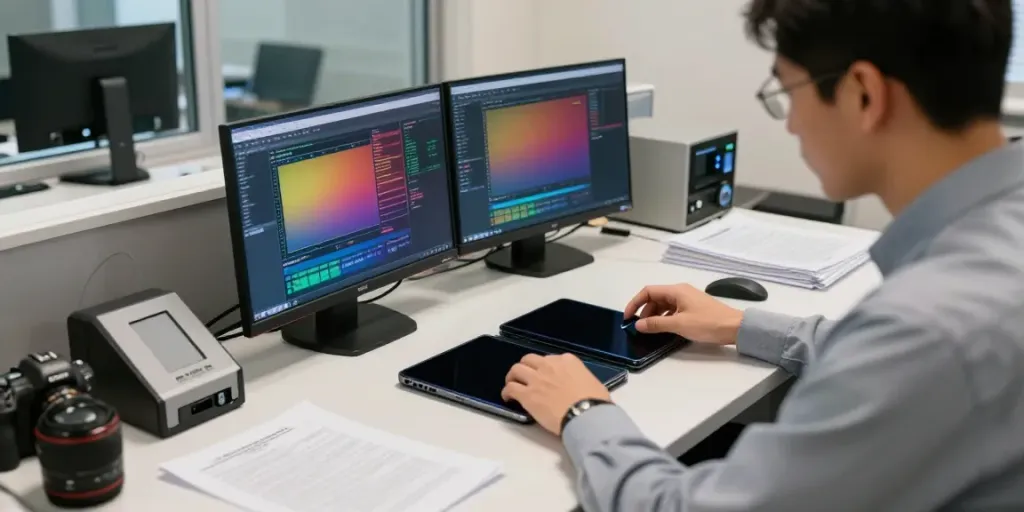
Understanding Digital Forensics: An Overview
Digital forensics is a critical field that has become increasingly important in our technology-driven society. With the rise of smartphones, computers, and various digital devices, the need to recover and analyze digital evidence has never been greater. Digital forensics helps in legal investigations, corporate disputes, and personal matters. It involves gathering data from devices, analyzing it, and providing reports that can be crucial in various legal contexts. When exploring options, https://goodtam.com provides comprehensive insights into digital forensics services available to clients.
What is Digital Forensics?
Digital forensics refers to the process of recovering, analyzing, and preserving electronic data. This field encompasses a variety of practices, methodologies, and technologies designed to extract evidence from digital devices such as computers, smartphones, tablets, and storage media. The core objective is to uncover information that can be used in legal proceedings. This could include recovering deleted files, analyzing internet usage, and uncovering hidden data. It’s not just about recovering data but also ensuring that the integrity of the data is maintained throughout the process.
Importance of Digital Forensics in Modern Investigations
In today’s world, where digital interactions are commonplace, the integrity of data has immense importance. Digital forensics plays a crucial role in numerous contexts, including criminal investigations, corporate compliance, personal disputes, and civil litigation. Investigators often rely on digital forensics to uncover evidence that can substantiate claims or exonerate individuals. This field has emerged as a significant component of law enforcement, legal mediation, and corporate governance, ensuring that fair practices are upheld.
Common Misconceptions About Digital Forensics
Despite its critical role, many misconceptions surround digital forensics. A common belief is that digital forensics is only concerned with recovering data from hard drives or smartphones. However, it also includes analyzing social media interactions, email communications, and even cloud storage data. Another misconception is that once data is deleted, it is permanently lost; while deletion can sometimes make recovery more difficult, skilled forensic analysts can often retrieve lost data. Understanding these aspects is essential for individuals considering digital forensic services.
Services Offered at https://goodtam.com
Analysis of Smartphones and PCs
At the forefront of digital forensic services is the analysis of smartphones and PCs. These devices often hold a vast amount of personal and sensitive information. Forensic experts can extract text messages, call logs, emails, and multimedia files. Furthermore, even deleted data can often be recovered, provided the right techniques are employed. This means that whether for personal inquiries or legal investigations, digital forensic experts can provide invaluable insights into all aspects of a user’s digital footprint.
Data Recovery Techniques and Tools
Data recovery is a specialized skill within digital forensics. Utilizing advanced software and hardware tools, forensic analysts can retrieve lost or deleted information. Techniques such as file carving, which involves reconstructing files from fragments, and the use of imaging tools to create exact copies of storage media are commonly employed. These methods not only facilitate the recovery of data but also ensure that its authenticity is preserved, making it more reliable as evidence in legal contexts.
Specialized Services for Legal Cases
Digital forensics plays a significant role in legal cases by aiding in evidence collection and analysis. Organizations like GoodTam provide specialized services tailored for legal professionals, including evidence preservation, analysis of digital communications, and the creation of detailed reports for court submissions. This specialized approach ensures that all evidence is collected lawfully and is admissible in court, thereby supporting the legal process effectively.
Legal Considerations in Digital Forensics
Understanding Ownership and Consent
One of the foundational aspects of digital forensics is the concept of ownership and consent. Forensic analysts must ensure they have the proper authority to access and analyze the data in question. This often involves obtaining explicit permission from device owners or authorized users. Without such consent, any evidence collected may be deemed inadmissible in court, emphasizing the need for a legally sound approach in digital investigations.
Legal Boundaries and Ethical Issues
Digital forensics operates within a framework of legal and ethical boundaries that must be adhered to during investigations. Forensic professionals are responsible for ensuring that they operate within the law while respecting privacy rights. This includes understanding relevant laws about data protection and the implications of unauthorized access. Ethical considerations also extend to how evidence should be handled, presented, and reported to ensure integrity throughout the forensic process.
How Evidence Handling Affects Legal Outcomes
The manner in which digital evidence is collected and handled can significantly impact legal outcomes. Proper evidence handling ensures that the data remains uncompromised and can be verified as legitimate. Courts require that forensic evidence meets strict standards of authenticity, and any missteps in evidence collection can lead to challenges in court. Forensic professionals are trained to follow stringent protocols to ensure that the evidence is both credible and relevant to the case.
Case Studies: Successful Digital Forensic Investigations
Real-Life Examples of Digital Evidence Recovery
Analyzing real-life case studies can provide insight into the power of digital forensics. For instance, in a criminal case involving fraud, investigators were able to recover deleted emails and documents from a suspect’s computer that exposed fraudulent activity. The digital evidence not only led to a conviction but also highlighted the importance of digital forensics in uncovering hidden truths.
Lessons Learned from Previous Cases
Case studies often reveal patterns and lessons that can enhance future investigations. One common lesson is the importance of immediate action; data can quickly be overwritten in active devices, emphasizing the need for prompt forensic analysis. Moreover, understanding the types of data available on various devices helps in choosing the right approach for each case, leading to more effective investigations.
Impact of Digital Forensics in Criminal Cases
The role of digital forensics in criminal cases cannot be overstated. In many instances, it becomes the cornerstone of the prosecution’s or defense's case. An example is a high-profile cybercrime case where digital forensic evidence was pivotal in identifying the perpetrator through IP address tracking and recovered data from compromised devices. This evidence not only led to charges but also emphasized future trends in cybercrime and digital investigation methodologies.
Future Trends in Digital Forensics (2026 and Beyond)
Emerging Technologies in Data Recovery
As technology advances, so do the methodologies in digital forensics. The advent of machine learning and artificial intelligence is reshaping how data recovery is performed. These technologies can analyze vast datasets rapidly and identify patterns that may not be visible to human analysts. Future investigations could see even more sophisticated tools that enhance efficiency and accuracy in data recovery.
Predictions for Digital Forensics Development
Looking ahead to 2026, the landscape of digital forensics is expected to evolve significantly. With the increasing prevalence of cloud storage and IoT devices, forensic analysts will need to adapt their techniques to handle new types of data and emerging security challenges. Moreover, regulatory changes may require enhanced procedures for data handling and evidence collection to comply with privacy laws and ethical standards.
Staying Ahead of Cyber Threats and Data Integrity
Cybersecurity threats are becoming more sophisticated, making it imperative for digital forensics experts to stay vigilant. As threats evolve, so too must the strategies for data integrity and security. Continuous training, adoption of new technologies, and adherence to best practices in digital forensics will play a critical role in effectively combating cyber threats in the future.
What types of devices can be analyzed in digital forensics?
Digital forensics can analyze a wide variety of devices, including computers, smartphones, tablets, servers, and external storage devices. Each device may require specific tools and methodologies tailored to the operating system and hardware configuration to achieve successful data extraction and analysis.
Is all deleted data recoverable through digital forensics?
Not all deleted data is recoverable. Factors such as the type of deletion, the device used, and subsequent usage can affect recovery chances. While forensic techniques can often recover data, there are circumstances, particularly with overwritten spaces or physically damaged devices, where recovery may not be feasible.
How does https://goodtam.com ensure data privacy during analysis?
At GoodTam, data privacy is a top priority. The organization adheres to strict protocols regarding data handling, ensuring that sensitive information is protected throughout the forensic process. Confidentiality agreements and secure facilities are standard practices to safeguard personal and corporate data.
What are the costs associated with digital forensic services?
Costs for digital forensic services can vary widely based on several factors, including the type of device, the complexity of the investigation, and the specific services required. Generally, initial consultations can help clarify potential costs based on a preliminary assessment of needs and device conditions.
How can individuals or businesses start the forensic consultation process?
Starting the consultation process is straightforward. Individuals or businesses seeking digital forensic services can contact forensic experts to discuss their specific needs and provide relevant details about the devices in question. From there, a tailored plan outlining the analysis process, timelines, and pricing can be established.